Pulse Comparison Guide
Kabuli vs Desi Chickpeas: Which Fits Your Product Range and Import Plan?
Kabuli and Desi chickpeas serve different commercial needs. Kabuli chickpeas are usually preferred where larger size, lighter color, and mild flavor matter, while Desi chickpeas often suit flour, savory applications, and cost-sensitive formulations. For importers, the right choice depends on product format, processing method, specification targets, and buying strategy.
This guide helps B2B buyers, food manufacturers, and sourcing teams compare Kabuli and Desi chickpeas in practical commercial terms. Use it to align chickpea type with product requirements, sample evaluation, and supply planning before moving into larger buying commitments.
Key Takeaways
- Kabuli suits visible applications. It is typically favored for larger whole-seed uses where appearance and milder flavor are important.
- Desi suits processing-driven formats. It often fits flour, savory, and value-focused formulations more naturally.
- Buying decisions should be specification-led. Size, color, use case, and processing fit matter more than variety name alone.
Why the difference matters
Many buyers treat chickpeas as a single category, but Kabuli and Desi differ in appearance, flavor profile, processing behavior, and end-use suitability. Those differences matter once you move beyond generic commodity buying and start sourcing for a specific finished product. If your product depends on visual presentation, consistent hydration, flour functionality, or a particular price position, variety choice can affect both operational performance and final product acceptance.
For importers managing multiple product lines, the goal is not to determine which chickpea is universally better. The goal is to decide which chickpea type fits the job. That distinction is what keeps sourcing decisions commercially useful rather than theoretical.
For category context, review Sun Impex Pulses, Beans and Lentils and compare your product brief against the variety you plan to source.
Appearance and sensory profile
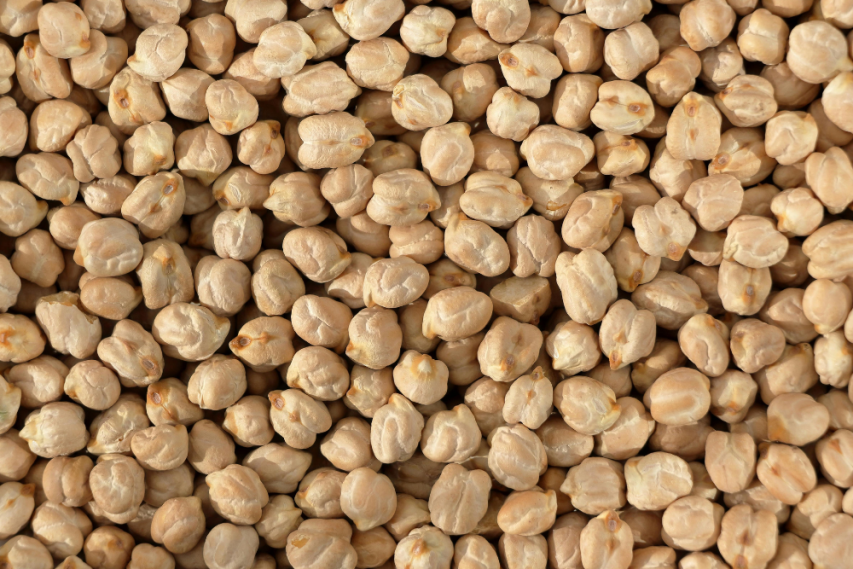
Kabuli chickpeas are generally larger, lighter in color, and more visually uniform. That usually makes them attractive for whole-seed applications where shelf appeal and clean presentation matter, such as canned chickpeas, salad kits, premium retail packs, and hummus programs that want a smoother light-colored visual base. Buyers often value Kabuli for its broader acceptance in markets that associate chickpeas with larger beige seeds.
Desi chickpeas are typically smaller, darker, and more robust in character. In many commercial settings, that makes them well suited to traditional savory products, flour milling, and formulations where appearance is secondary to cost efficiency or processing behavior. Their stronger identity can be an advantage in applications where the chickpea is not being sold primarily on whole-seed presentation.
If you need to benchmark size and nutrient references during product review, resources such as USDA FoodData Central can help teams stay aligned on ingredient baselines while internal specs remain the primary commercial document.
Application fit
Application fit should be the first commercial filter. Kabuli chickpeas are often favored for:
- whole-seed retail or foodservice packs,
- premium hummus programs,
- salads, bowls, and ready-meal components,
- canned programs where visual consistency matters.
Desi chickpeas are often a stronger fit for:
- gram flour and batter systems,
- savory snack applications,
- regional cuisine products,
- cost-sensitive manufacturing where seed appearance is less critical.
That does not mean Kabuli cannot be milled or that Desi cannot be used whole. It means procurement should start from the intended finished product and work backward. Buyers who skip that step often compare offers that look similar on paper but perform differently in the plant.
Processing and formulation
Processing behavior is where variety decisions become operational. Manufacturers should examine hydration response, cooking performance, milling characteristics, and finished texture. A chickpea that looks commercially attractive can still create issues if the processing outcome does not match your line requirements or finished-product target.
For flour and ingredient systems, Desi chickpeas are frequently relevant because they are closely associated with besan and related regional applications. For whole-seed uses, Kabuli may offer advantages where shape retention and visual appearance matter more. Procurement, quality, and R&D teams should test both the raw ingredient and the processed output before making a final volume decision.
If you already buy across multiple pulse categories, you can use related sourcing logic from Sun Impex s pulse sourcing article to structure side-by-side trials more effectively.
Commercial and sourcing factors
Variety choice also affects pricing logic, supply continuity, and buyer expectations by market. Kabuli programs are often more exposed to premium positioning and appearance-based quality thresholds. Desi programs may be more flexible in some formulations but still require discipline on size, moisture, foreign matter, and milling suitability.
To avoid procurement mistakes, compare options using a risk-adjusted commercial lens:
- What specification tolerances matter most for the product?
- How easy is it to approve a backup supplier in the same variety?
- What price movement is acceptable without forcing reformulation?
- How much visual variation can your product tolerate?
Trade context can be monitored through FAOSTAT trade data, but your final buying decision should still rest on product fit and qualified supplier performance.
What to put in the specification
A useful chickpea specification should remove ambiguity before quotation and sample approval. At minimum, include:
- variety type: Kabuli or Desi,
- size or caliber expectations,
- color tolerance,
- moisture limit,
- foreign matter and defect tolerance,
- intended use: whole-seed, canned, milled, snack, or ingredient system,
- packaging, palletization, and documentation requirements.
When buyers define these factors early, supplier comparison becomes more useful and internal sign-off becomes faster. If your teams need a starting point, a structured discussion can begin through Sun Impex Agro Commodities contact.
How to run sample evaluation
Sample review should include both desk evaluation and process testing. First, check physical traits against the written spec. Then test the material under the real processing conditions that matter for your product. A visually acceptable sample is not enough if hydration, milling, color retention, or finished texture fail in the plant.
A practical sample process includes:
- desk review of specs and COA format,
- visual and physical screening,
- pilot processing under plant-relevant conditions,
- commercial review against landed cost and backup-supplier options,
- pilot shipment before larger-scale buying.
That phased approach helps reduce procurement surprises and mirrors the qualification discipline buyers use in other pulse categories such as Black Matpe and related sourcing programs.
Frequently Asked Questions
Is Kabuli always better than Desi chickpeas?
No. Kabuli is often preferred for whole-seed presentation, but Desi can be the stronger choice for flour, savory, and value-focused manufacturing programs.
Which chickpea type is usually used for hummus?
Kabuli chickpeas are commonly favored for hummus because of their size, lighter appearance, and broad market familiarity, but final selection should still be tested against your desired texture and cost model.
Should buyers qualify both Kabuli and Desi suppliers?
Yes, if the business uses both formats or expects to expand. Variety-specific qualification improves flexibility and reduces dependence on a single sourcing route.
Conclusion
Kabuli vs Desi is not a branding decision; it is a product-fit decision. Buyers get better results when they choose the variety that matches real processing needs, commercial targets, and finished-product expectations rather than relying on generic category assumptions.
Key Points to Remember
- Kabuli usually fits whole-seed, visual-first applications better, while Desi often fits flour and savory systems more naturally.
- The right choice depends on product use, processing behavior, and commercial tolerance, not variety popularity alone.
- Use written specs and pilot testing before scaling chickpea purchases.
If you want to compare Kabuli and Desi supply options against your current product specification, connect with the Sun Impex agro commodities team.