Agro Procurement Checklist
Wheat Bran Supplier Checklist for Feed and Food Manufacturers
A reliable wheat bran supplier consistently meets fiber and moisture targets, protects product integrity through processing and storage controls, and provides documentation that matches buyer requirements. For feed and food manufacturers, qualification should combine technical specification checks, logistics reliability, and ongoing performance review instead of relying on one trial shipment or headline price.
This checklist is built for sourcing, quality, and operations teams buying wheat bran for food and feed applications. Use it to standardize supplier qualification, reduce specification drift, and support stable procurement decisions across regular buying cycles.
Key Takeaways
- Specification clarity prevents avoidable quality disputes. Clear technical tolerances make supplier comparison practical and fair.
- Supplier review should combine technical and logistics checks. Product quality and delivery reliability must be evaluated together.
- Scorecard-based monitoring improves long-term buying decisions. Ongoing evidence reduces dependence on one-time impressions.
Why wheat bran supplier selection matters
Wheat bran is often treated as a straightforward commodity, but inconsistent bran can create production and quality problems quickly. Moisture variation can affect storage and handling, fiber variation can affect formulation outcomes, and contamination issues can create reject risk and internal rework. These effects are amplified when the ingredient is purchased at scale.
For import buyers, the right supplier is not only the one with a competitive quote. It is the one that repeatedly delivers to agreed technical and commercial conditions. If repeatability is weak, apparent price savings are often offset by process disruption, downgraded output, or customer complaints.
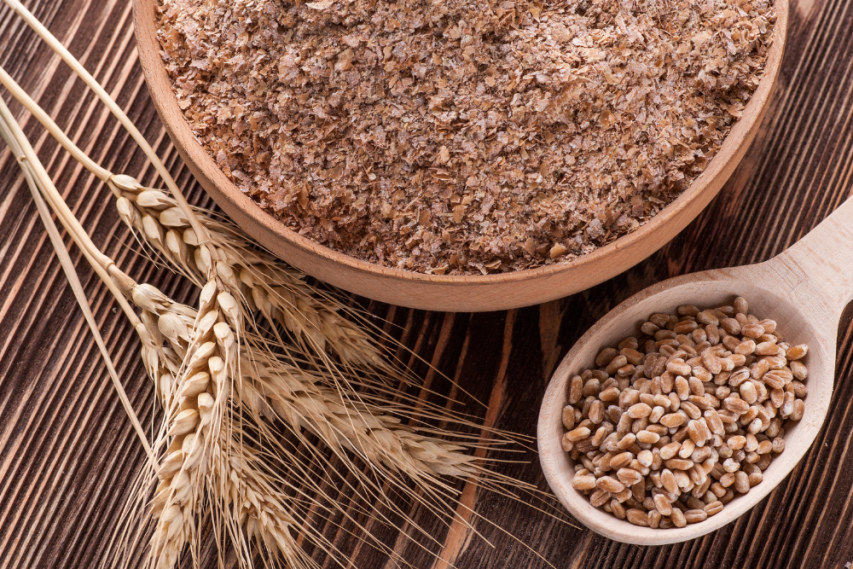
Start by reviewing your current product context against the wheat bran product page and clarifying where bran performance matters most in your operation.
Define your product brief before requesting quotes
Before asking suppliers for quotations, define your use case clearly. Feed and food applications can require different tolerances, handling expectations, and documentation formats. If the brief is vague, responses will not be comparable, and sourcing teams may select an option that fails once it reaches production.
A useful one-page brief should include intended application, expected quality range, packaging requirements, receiving conditions, and decision timeline. This keeps procurement, quality, and commercial teams aligned and makes supplier conversations more efficient.
For broad portfolio alignment, cross-check internal buying categories against all products to ensure your request reflects actual end-use priorities.
Core quality specifications to request
Every wheat bran buying program needs a clear core specification. At minimum, request and agree on:
- moisture range and acceptance threshold,
- fiber-related expectations relevant to your use case,
- foreign matter controls and defect tolerance,
- particle behavior relevant to process handling,
- shelf-life at dispatch and at receipt.
Where possible, define test method references and reporting format. Supplier data is much easier to compare when methods and reporting units are standardized in advance. External data references such as USDA FoodData Central can support initial nutritional benchmarking, but internal specifications should remain the approval standard.
Process and safety controls
Technical acceptance should include process and safety capability review. Ask suppliers how raw bran is handled, cleaned, stored, and prepared for export. Confirm how they control contamination risk and how deviations are escalated. A supplier that cannot explain these steps clearly may not be ready for consistent long-term supply.
For buyers who source across markets, it helps to align food safety and process expectations against known frameworks such as Codex Alimentarius. The purpose is not paperwork for its own sake; it is to reduce preventable quality incidents once the material enters your operation.
Documentation and compliance checks
Documentation quality is part of product quality. Request sample COAs, specification sheets, packaging declarations, and shipment document packs before final approval. Check not only whether documents exist, but whether they are accurate, consistent, and delivered on time.
Teams sourcing into multiple destinations should also evaluate how supplier compliance capability maps to market requirements. Tools such as ITC Standards Map can support this review. The goal is to avoid costly surprises at the border or during internal audits.
Logistics, packaging, and delivery performance
Even technically acceptable bran can become a weak sourcing choice if delivery performance is unreliable. Evaluate lead times, shipment frequency, packaging quality, palletization standards, and response protocols for delays. This is especially important when bran is tied to tight production schedules.
For global importers, tracking trade flow and supply movement can provide useful context. Datasets such as FAOSTAT trade data are not a replacement for supplier qualification, but they can help procurement teams anticipate volatility and plan backup routes.
Build a supplier scorecard
Approval should not end after first purchase. Create a lightweight scorecard and review it quarterly. Suggested metrics include lot acceptance rate, delivery punctuality, documentation accuracy, complaint rate, and corrective-action responsiveness. This creates an evidence base for expansion, renegotiation, or replacement decisions.
A scorecard also improves internal alignment. Commercial teams can negotiate with clearer performance history, and quality teams can prioritize audits where risk is increasing. If you need a specification-first discussion for current supply options, contact the Sun Impex agro commodities team or review supplier positioning at quality ingredients supplier.
Frequently Asked Questions
Should food and feed buyers use the same wheat bran checklist?
A shared base checklist is useful, but final acceptance limits should be tailored to application because feed and food processing priorities can differ.
Is moisture the only critical metric for wheat bran sourcing?
No. Moisture is essential, but it should be reviewed with fiber profile, contamination controls, packaging, and documentation reliability.
How often should approved wheat bran suppliers be reviewed?
Quarterly review is a practical minimum for active suppliers, with deeper annual reassessment for strategic supply relationships.
Conclusion
A strong wheat bran procurement program depends on disciplined qualification, not only price comparison. Buyers who standardize specifications, documentation checks, and scorecard-based review can reduce supply risk and improve manufacturing consistency.
Key Points to Remember
- Define feed and food use cases clearly before requesting wheat bran quotations.
- Approve suppliers using technical specs, process controls, and logistics evidence together.
- Maintain a supplier scorecard to reduce quality drift and supply disruption over time.
If you want to benchmark wheat bran supply options against your current procurement criteria, connect with the Sun Impex agro commodities team.