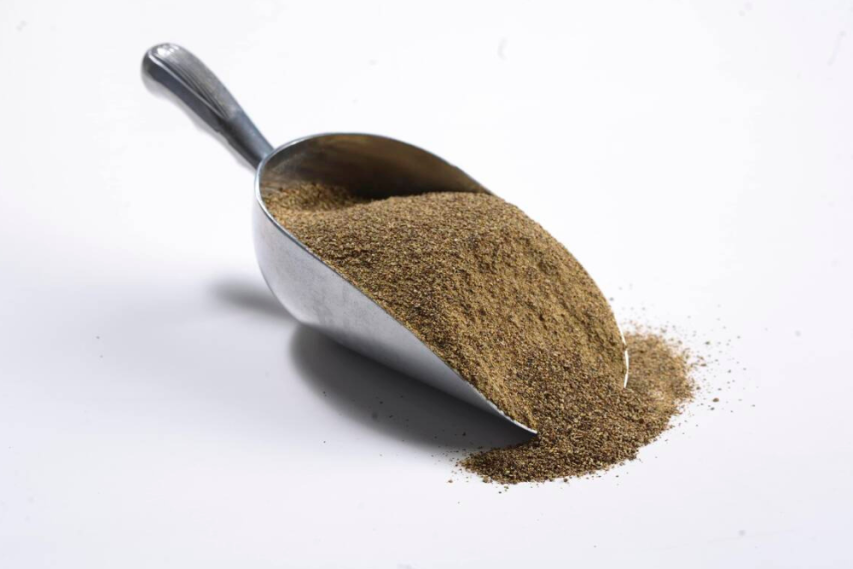
Agro Procurement Checklist
Canola Meal Supplier Checklist for Feed Procurement Teams
A strong canola meal supplier consistently meets agreed protein and moisture expectations, protects product integrity through handling and contamination controls, and delivers complete export documentation on time. For feed procurement teams, supplier approval should combine technical specifications, logistics reliability, and scorecard-based performance review instead of focusing on price alone.
This checklist is designed for procurement, quality, and operations teams buying canola meal at commercial scale. Use it to standardize supplier review, reduce specification drift, and improve feed ingredient purchasing decisions over time.
Key Takeaways
- Clear specifications prevent weak supplier comparisons. Technical clarity makes quotations more useful and more comparable.
- Technical and logistics checks should be reviewed together. Product quality and delivery performance both affect real purchasing value.
- Quarterly scorecards improve long-term supplier quality. Ongoing review helps procurement react to drift before it becomes a larger problem.
Why canola meal supplier selection matters
Canola meal is often purchased as a straightforward feed input, but inconsistent supply can create quality, storage, and formulation issues quickly. Protein variation, excess moisture, contamination risk, or weak documentation can all damage the value of an otherwise competitive price. For large buyers, these problems become more expensive with scale.
The strongest suppliers are not simply low-cost suppliers. They are suppliers that repeatedly match agreed technical and commercial conditions. That difference matters because feed procurement decisions are only as strong as the repeatability behind them.
To ground the discussion, review the canola meal product page and compare it against your current purchasing or formulation brief.
Start with a clear product brief
Before requesting quotes, define what the meal must do in your application. Even within feed procurement, buyers may have different expectations on protein, storage behavior, shipment format, and documentation. If that brief is not written clearly, the incoming quotations may describe technically different products.
A short product brief should include intended use, target quality range, packaging format, receiving conditions, and decision timeline. That creates clearer supplier conversations and reduces internal confusion later in the approval process.
Core quality checks to request
At minimum, buyers should define and review:
- protein expectation and reporting method,
- moisture range and limit,
- foreign matter or contamination tolerances,
- packaging and storage expectations at receipt,
- required COA format and reporting consistency.
External references such as USDA FoodData Central can provide general context, but internal commercial specifications should remain the approval standard. The key is that all suppliers are measured against the same criteria.
Process and contamination controls
Canola meal quality depends on more than the finished numbers on a COA. Buyers should review how the supplier handles raw material, stores the product, prevents contamination, and responds to deviations. A supplier that cannot explain its operating controls clearly is difficult to trust at scale.
Where buyers evaluate similar adjacent products, comparing canola meal against references like rapeseed meal can help teams clarify what matters most in their own acceptance framework.
Documentation and compliance review
Documentation quality should be treated as part of the product. Request sample COAs, specification sheets, export document packs, and any compliance or certification information relevant to your destination market. Then check whether the documents are complete, accurate, and delivered on time.
Procurement teams sourcing across borders can also review broader compliance context through ITC Standards Map. This does not replace supplier approval, but it helps reduce avoidable downstream surprises.
Delivery, packaging, and logistics
Logistics quality matters because even technically acceptable material can become a problem if shipment timing or packaging discipline is weak. Review lead times, shipment frequency, palletization, packaging integrity, and delay-response practices as part of supplier selection.
Trade-flow context from FAOSTAT trade data can help buyers stay aware of broader supply movement and volatility, but final decisions should still rest on supplier-specific evidence. If you are evaluating broader sourcing support, quality ingredients supplier can also be used as a reference page for commercial positioning.
Build a supplier scorecard
Approval should not stop after the first successful delivery. Create a supplier scorecard that tracks lot acceptance rate, on-time delivery, documentation accuracy, and responsiveness to issues. This keeps supplier review evidence-based and makes negotiations more grounded in real performance.
A scorecard also makes it easier to decide whether to maintain, expand, or replace a supplier relationship. If you want to benchmark current options against a clearer qualification model, contact the Sun Impex agro commodities team.
Frequently Asked Questions
Is canola meal approval mainly a price decision?
No. Price matters, but protein consistency, contamination control, and logistics reliability usually have a larger effect on long-term supply value.
Should canola meal be reviewed the same way as every other meal product?
A shared framework helps, but canola meal still needs application-specific checks around quality profile, documentation, and supply expectations.
How often should approved canola meal suppliers be reviewed?
Quarterly scorecard review is a practical minimum for active suppliers, supported by a deeper annual reassessment for strategic partners.
Conclusion
Canola meal sourcing becomes more reliable when procurement teams evaluate technical quality, documentation discipline, and delivery performance as one system. The strongest results come from clear specifications and ongoing supplier review instead of one-time buying decisions.
Key Points to Remember
- Set protein, moisture, and contamination expectations clearly before requesting canola meal quotations.
- Approve suppliers using quality evidence, process controls, and logistics history together.
- Maintain a supplier scorecard to reduce drift in quality, documentation, and delivery performance.
If you want to benchmark canola meal supply options against your current feed procurement criteria, connect with the Sun Impex agro commodities team.