Supplier Checklist
From Source to Production: Fruit Puree for Food & Beverage Brands
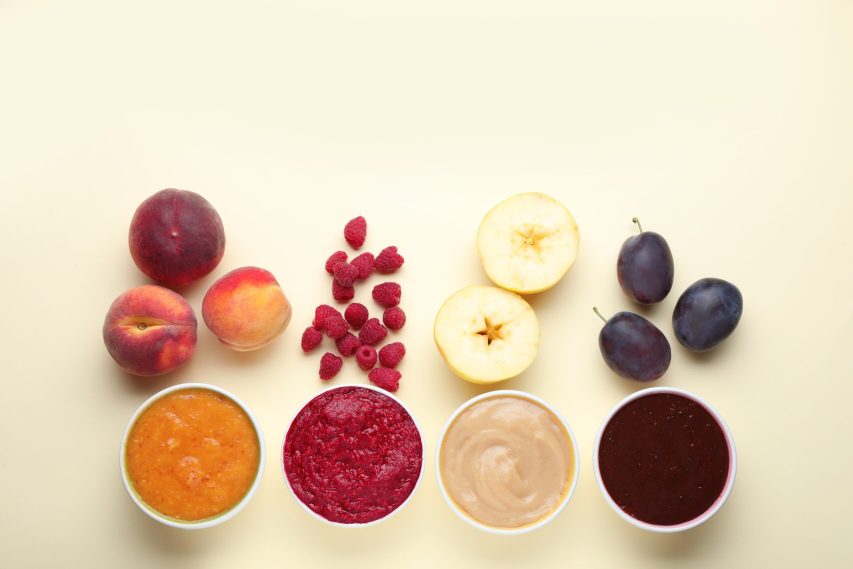
A strong fruit puree supplier can consistently deliver the right sensory profile, Brix, acidity, texture, packaging format, and documentation for your production model. For beverage, dairy, and bakery brands, supplier quality is not only about the fruit itself; it is about whether the puree behaves predictably across formulation, shelf-life, and commercial production.
This guide is designed for B2B buyers, technologists, and procurement teams sourcing fruit puree for scaled food and beverage applications. Use it to structure supplier comparisons, sample evaluation, and technical sign-off before commercial rollout.
Key Takeaways
- Puree quality is application-specific. Beverage, dairy, and bakery teams often need different texture and process tolerances.
- Technical specs matter early. Brix, pH, color, and handling conditions should be agreed before supplier approval.
- Supplier review must include process fit. A puree that looks good on paper can still fail during line trials or shelf-life testing.
Why puree consistency matters
Fruit puree often sits at the center of a product s sensory identity. That means inconsistency in puree quality can create broad downstream problems: flavor drift, color shift, filling instability, shelf-life surprises, and unnecessary formulation adjustments. A supplier that can provide acceptable puree once is not enough. B2B buyers need a supplier who can repeat that performance across multiple lots and production cycles.
This is particularly important in beverage, dairy, and bakery categories because each uses puree differently. What works in one category may create problems in another. As a result, puree sourcing decisions should be made with product application in mind rather than as a generic fruit ingredient purchase.
For category reference, start with Sun Impex fruit pulps and purees and map your technical brief against the ingredient format you intend to buy.
Beverage, dairy, and bakery have different needs
In beverages, puree quality often affects texture, suspension, flavor stability, and processing behavior under thermal treatment. In dairy products, puree may influence acidity interaction, color retention, and flavor delivery inside yogurt, drinkable dairy, or dessert systems. In bakery applications, the puree may need to perform through baking, freezing, thawing, or filling conditions without breaking down the finished product.
That is why buyers should define the end use clearly before requesting samples or pricing. A supplier should understand whether the puree is going into a smoothie base, yogurt preparation, fruit filling, topping, or flavor layer. Without that context, supplier discussions become generic and sample review becomes less meaningful.
What to review in the specification
A puree specification should be concrete enough to remove guesswork. At minimum, procurement and technical teams should review:
- Brix range and acidity targets,
- Color expectations and natural variation tolerance,
- Texture or viscosity behavior,
- Seed, fiber, or particulate expectations where relevant,
- Shelf-life and storage conditions,
- Packaging format and unit size,
These details help ensure suppliers quote against the same commercial reality. If you are also reviewing adjacent formats, compare the puree logic against juice concentrates and NFC so teams stay clear on where puree is the correct format and where it is not.
Aseptic handling and packaging
Packaging and handling conditions are often under-valued during supplier review. A technically sound puree can still create production risk if packaging is not aligned to your receiving, storage, and dosing systems. Importers should confirm packaging type, palletization, handling temperature, and what conditions are expected from dispatch to plant intake.
This matters even more for aseptic programs. Buyers should understand how the supplier controls filling, sealing, and transport conditions, and how those controls are reflected in product release documentation. Strong packaging discipline protects both product quality and operational efficiency.
Sample testing and plant trials
Supplier approval should always include a phased sample program. First, review the sample against written technical expectations. Then run line-relevant or pilot-relevant trials that reflect how the puree will actually be used. This helps uncover issues that may not appear in a desk review, such as texture drift, instability after heating, or flavor imbalance after full formulation.
A practical trial process includes:
- Desk review of technical documentation and COA format,
- Sensory and physical assessment of the sample,
- Application-specific pilot test,
- Shelf-life or stability check where relevant,
That staged process reduces the likelihood of expensive post-approval corrections.
Documentation and supplier controls
Documentation quality is a useful proxy for supplier discipline. Importers should expect current specification sheets, representative COAs, shelf-life guidance, allergen information where relevant, and clarity around process controls. For beverage-related programs, process teams may also benchmark against references such as FDA Juice HACCP guidance and broader frameworks such as Codex Alimentarius.
Strong suppliers should also be responsive when buyers ask follow-up questions about documentation, process windows, or lot release standards. That responsiveness matters in real commercial execution.
How to build a shortlist
A practical shortlist should usually contain one preferred supplier and at least one credible alternative. Compare them using a weighted matrix that includes technical fit, documentation maturity, packaging suitability, and logistics performance. This is a better method than choosing a supplier only on price or only on sample quality.
For teams evaluating puree partners now, a structured discussion can start through Sun Impex fruit and vegetable ingredients contact
Frequently Asked Questions
What is the most important technical check for fruit puree suppliers?
There is rarely just one, but Brix, acidity, texture behavior, and application-specific stability are usually among the most important early checks.
Should beverage and bakery teams use the same puree supplier checklist?
They should share a core checklist, but the final review needs category-specific criteria because puree behaves differently across beverage, dairy, and bakery systems.
Is sample approval enough before placing a large order?
No. Sample approval should be followed by plant-relevant trials and, where needed, a pilot shipment before larger commercial scale-up.
Conclusion
The best fruit puree supplier is the one that can support product performance, process fit, and commercial continuity at the same time. Buyers get stronger outcomes when they approve puree suppliers through technical discipline and trial-based evidence rather than by comparing quotes alone.
Key Points to Remember
- Fruit puree approval should be tied to the actual product category, not a generic ingredient view.
- Review specs, packaging, documentation, and plant-level performance before scaling purchases.
- Use a weighted shortlist rather than relying only on price or one sample.
If you want to compare puree sourcing options against your current application brief, connect with the Sun Impex fruit and vegetable ingredients team.