Supplier Audit Guide
How to Evaluate Spice Suppliers for Quality, Traceability, and Blend Consistency
A reliable spice supplier can consistently meet your specification, provide traceable origin and treatment records, maintain food safety controls, and deliver blends or ground products with repeatable performance. For importers and manufacturers, the best supplier is the one that reduces contamination risk, quality drift, and formulation inconsistency across every shipment.
This article is built for procurement, quality, and product teams sourcing whole spices, ground spices, or functional spice blends for B2B food manufacturing. Use it as a practical checklist for supplier approval, audit preparation, and ongoing performance review.
Key Takeaways
- Traceability is not optional. Buyers need origin, treatment, and lot-control clarity before approving spice suppliers.
- Blend consistency must be tested. Supplier capability is proven through repeatable performance, not only one successful sample.
- Spice risk is multi-layered. Quality, contamination, and logistics controls all affect finished-product reliability.
Why spice qualification is different
Spices create a different sourcing challenge from many other ingredients because small deviations can have outsized effects on taste, aroma, color, and safety risk. A spice supplier may pass a broad commercial review and still create problems if origin traceability is unclear, cleaning methods are weak, or ground and blended outputs are not stable from lot to lot.
That makes spice sourcing more than a price exercise. Buyers need to understand what the supplier is doing upstream, how raw materials are controlled, and whether the finished spice or blend behaves consistently inside real manufacturing systems. The right supplier should make quality more predictable, not more difficult to manage.
For category context, start with Sun Impex Spices and Seeds and define where your spice program sits: whole spice, ground spice, or custom blend.
Origin, traceability, and treatment
Origin matters in spice sourcing because climate, harvest conditions, post-harvest handling, and cleaning capability all influence the final result. Ask suppliers to explain where the spice is sourced, how lots are segregated, and what treatments are applied before dispatch. You are looking for a documented process, not general reassurance.
At minimum, strong suppliers should be able to show:
- origin or region-level sourcing information,
- lot coding and traceability process,
- cleaning, sorting, and treatment steps,
- how deviations or contamination risks are escalated.
For buyers working across multiple markets, this also helps align sourcing decisions with the certification and standards environment tracked by tools such as ITC Standards Map.
Whole, ground, and blended spice risks
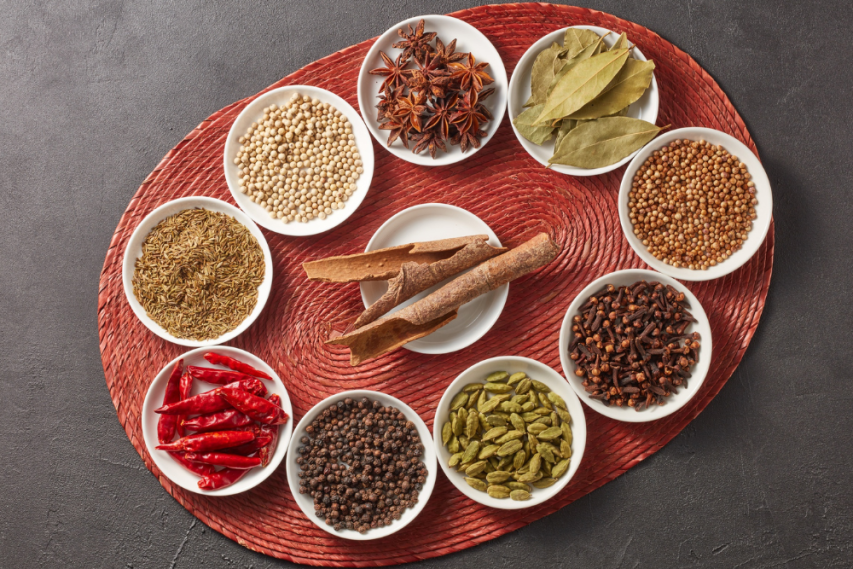
The qualification checklist should change depending on whether you buy whole spices, ground spices, or finished blends. Whole spice programs tend to focus more on origin, cleaning, and visible defect control. Ground spice programs add tighter scrutiny around grind uniformity, contamination control, and flavor consistency. Blends require an additional layer of process discipline because even minor proportional shifts can affect final product performance.
That is why buyers should not approve a supplier based on one format and assume the same supplier is equally strong across all three. Approval needs to be format-specific and product-specific.
How to check quality and cleaning capability
When reviewing a spice supplier, request a process walkthrough from intake to packing. Confirm how foreign matter is controlled, how lots are cleaned, and how physical and sensory checks are documented. This is particularly important when the spice will go into direct-consumption products or highly visible formulations.
Key questions include:
- How is raw material screened before processing?
- What checks are performed after cleaning or grinding?
- How are off-spec lots handled?
- Can the supplier provide recent COAs and lot examples?
Use international food guidance such as Codex Alimentarius as a benchmark for how discipline and documentation should be structured.
How to audit blend consistency
Blend consistency is one of the biggest commercial pain points in spice sourcing. A blend that varies in aroma, heat, color, or balance can disrupt finished-product performance even when the base ingredients look commercially acceptable. Importers should therefore ask blend suppliers for clear formulation control processes, batch documentation, and sensory review logic.
A strong review should include:
- batch-to-batch comparison samples,
- defined tolerances for key sensory attributes,
- mixing and homogeneity controls,
- corrective action steps if the blend drifts.
Suppliers should also be able to explain how they protect blend performance during packaging and shipment, not only inside the blending room.
Documentation and compliance
Documentation should be treated as part of product quality. Importers should ask for specification sheets, COA formats, allergen information where relevant, shelf-life guidance, and any market-specific statements required for destination clearance or internal approval. For US-bound products, teams should also stay aware of broader food safety accountability under FSMA.
Quality systems matter here as well. A supplier that can show structured documentation and responsive corrective-action logic is often a safer long-term partner than one that only competes on headline price.
Commercial and logistics controls
Spice problems do not only come from the factory. Late shipment, weak packaging, poor document timing, or inconsistent palletization can all create downstream losses. Importers should ask for standard lead times, recent on-time shipment history, and escalation practices for delays or port issues.
It is also important to compare offers by full landed impact, not just invoice price. A lower price can quickly become more expensive if rework, delay, or blend inconsistency cause production disruption. For broader procurement positioning, you can cross-reference related Sun Impex pages like quality ingredients supplier and blogs - agro commodities.
Ongoing scorecarding
Supplier approval should not be a one-time event. Spice suppliers should be reviewed through a simple but consistent scorecard that includes lot acceptance rate, sensory consistency, documentation accuracy, and on-time delivery. The point of scorecarding is not bureaucracy; it is to keep procurement decisions evidence-based over time.
A useful scorecard helps buyers decide whether to maintain, grow, or replace a supplier. It also strengthens negotiations by linking commercial discussions to measured performance.
If you are evaluating spice supply options now, a structured conversation can begin through Sun Impex agro commodities contact.
Frequently Asked Questions
What is the biggest red flag when evaluating a spice supplier?
One of the biggest red flags is weak traceability. If the supplier cannot clearly explain origin, lot control, and treatment steps, sourcing risk increases quickly.
Should whole spice and blended spice suppliers be approved the same way?
No. Whole spice, ground spice, and blended spice programs each create different risks, so approval should be format-specific and product-specific.
How often should spice suppliers be reviewed?
Quarterly review is a practical baseline for commercial and quality performance, with a deeper annual qualification refresh for strategic suppliers.
Conclusion
The best spice supplier is not simply the one that can ship product. It is the one that can repeat performance across origin, processing, documentation, and logistics. Buyers that build qualification around those factors create fewer quality surprises and more dependable manufacturing outcomes.
Key Points to Remember
- Evaluate spice suppliers on traceability, treatment controls, and repeatability, not just price.
- Use different qualification logic for whole spices, ground spices, and blends.
- Maintain supplier scorecards so commercial decisions stay tied to real performance.
If you want to benchmark a spice supplier against your current quality checklist, connect with the Sun Impex agro commodities team.