Fruit Supplier Checklist
Pineapple Juice Concentrate Supplier Checklist for Beverage Brands
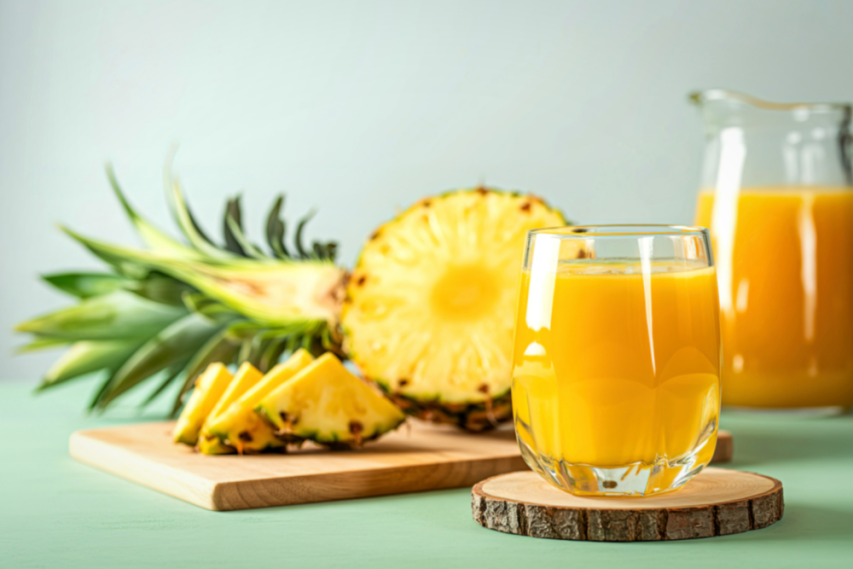
A dependable pineapple juice concentrate supplier can repeatedly meet agreed Brix and acidity targets, maintain microbiological and documentation discipline, and deliver consistent product behavior in processing. For beverage and food brands, qualification should combine technical checks, pilot validation, and supply reliability review so concentrate performance remains stable from first shipment through scale-up.
This checklist is for procurement, quality, and product teams buying pineapple juice concentrate for beverages and related food applications. Use it to align technical expectations, reduce onboarding risk, and improve supplier decision quality before commercial-scale buying.
Key Takeaways
- Pineapple concentrate approval should be specification-first. A clear technical brief avoids misleading quote comparisons.
- Brix and acidity must be reviewed with process behavior. Lab values alone do not guarantee plant-level success.
- Supplier consistency matters more than one strong sample. Multi-lot evaluation protects product stability over time.
Why pineapple concentrate sourcing can fail
Pineapple juice concentrate procurement often looks straightforward until production starts. Teams may approve a supplier based on one acceptable sample but later see variability in acidity balance, color, or process behavior across shipments. When this happens, reformulation and production adjustments can erase apparent commercial savings.
In many cases, failure is caused by weak qualification process rather than supplier intent. If expectations around Brix, acidity, sensory profile, and documentation are not locked early, procurement and quality teams can interpret outcomes differently. A structured checklist avoids that ambiguity and improves decision speed.
To establish context, review the pineapple juice concentrate product page and map your final product target before sourcing discussions begin.
Start with a clear product brief
Supplier qualification should begin with a written brief that defines intended product use. Beverage concentrates, blends, and food applications can demand different sensory and process outcomes. A clear brief should include target flavor profile, sweetness-acidity balance, process conditions, and packaging preference.
This step also helps buyers decide whether to source as a standalone pineapple line or as part of a broader fruit strategy under juice concentrates and NFC. That decision affects inventory planning and supplier mix.
Brix, acidity, and color specifications
Brix and acidity are primary indicators for pineapple concentrate decisions, but they should be interpreted together with sensory and process requirements. Two materials with similar headline values can still behave differently in blending, thermal treatment, and shelf-life development.
Your specification should define:
- target Brix range and acceptance limits,
- acidity range and unit consistency,
- color expectations and tolerance,
- sensory baseline against approved reference.
Specification discipline reduces avoidable disputes and makes it easier to compare suppliers objectively during tender review.
Process and microbiology controls
Food safety and process control are core qualification components for concentrate sourcing. Buyers should review how suppliers manage concentration process controls, hygiene practices, and lot traceability. Ask for practical evidence, such as recent quality records and deviation handling procedures.
Guidance from FDA Juice HACCP and Codex Alimentarius can support your control framework, but plant-specific validation remains essential before scale-up.
Packaging, storage, and handling
Packaging format affects quality retention and operational efficiency. Whether the product is supplied in aseptic bag-in-box, drums, or other formats, buyers should verify shelf-life assumptions, storage conditions, and handling instructions at receiving sites.
Weak packaging discipline can degrade an otherwise acceptable concentrate. Review closure quality, labeling, palletization, and transport condition controls. Clear packaging requirements in contracts reduce downstream claims and protect production planning.
Sample evaluation and plant trials
Sample evaluation should occur in stages: lab screening, sensory review, plant-relevant trial, and pilot shipment where needed. A concentrate that tests well in lab conditions may still behave differently when blended with other ingredients or run through full-scale processing.
For better internal alignment, keep a standardized trial report template and include procurement, quality, and product stakeholders in final sign-off. Supporting category learning through resources like the fruit and vegetable blog section can help teams apply consistent decision criteria.
Commercial continuity and backup planning
After technical approval, buyers should evaluate continuity variables: lead time, lot availability, seasonal exposure, and backup options. Trade context from FAOSTAT trade data can inform risk awareness, while certification and market requirements can be reviewed with ITC Standards Map.
Continuity planning is especially important for high-volume beverage programs where a supply gap can directly affect customer service levels. For current sourcing support, engage the Sun Impex fruit and vegetable ingredients team with your brief and trial criteria.
Frequently Asked Questions
Is Brix enough to approve pineapple juice concentrate?
No. Brix should be reviewed with acidity, color, sensory profile, microbiology, and process behavior before a supplier is approved.
Should brands run plant trials before approving concentrate suppliers?
Yes. Plant-relevant trials confirm whether concentrate behavior remains stable under real process conditions and blending systems.
How can buyers reduce continuity risk after supplier onboarding?
Use backup planning, periodic scorecards, and clear escalation paths for logistics or quality deviations.
Conclusion
Pineapple concentrate sourcing is most reliable when technical, operational, and commercial checks are integrated into one qualification process. Buyers who use a structured checklist can reduce reformulation risk and improve supply continuity.
Key Points to Remember
- Pineapple concentrate sourcing should start with a precise product brief and target specifications.
- Validate Brix, acidity, and process behavior together through plant-relevant trials.
- Use backup planning and scorecard review to protect continuity after supplier approval.
If you want to evaluate pineapple concentrate suppliers against your current specification set, connect with the Sun Impex fruit and vegetable ingredients team.