Fruit Ingredient Explainer
What Is Orange Pulp Cells and How Food Brands Use It
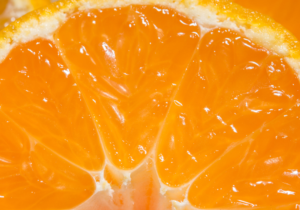
Orange pulp cells are small fruit tissue particles added to juices, dairy drinks, and fruit preparations to improve mouthfeel and visual fruit identity. For import buyers, the right pulp-cell ingredient is defined by particle size consistency, taste neutrality, microbiological control, and stable performance during processing, filling, and shelf-life, not by label claims alone.
This guide helps procurement, quality, and product teams evaluate orange pulp cells in commercial terms. It is designed for import buyers who need clear criteria before requesting samples, approving suppliers, and scaling purchases for beverage and dairy production.
Key Takeaways
- Pulp cells are a functional texture ingredient. Their value comes from controlled mouthfeel and visual fruit cues in the final product.
- Specification detail matters more than generic product naming. Particle profile, microbiology, and process behavior must be defined before quotes are compared.
- Supplier approval should include process and shelf-life testing. A spoon test alone does not predict plant performance.
Why buyers ask about orange pulp cells
Many teams first encounter orange pulp cells when they try to improve beverage texture without adding excessive viscosity or artificial texture cues. In competitive consumer categories, visible fruit texture can influence product perception quickly. Buyers therefore need to know whether pulp cells can support a more natural fruit profile while staying process-friendly on high-speed lines.
From a procurement perspective, the challenge is that products with similar names can perform very differently. One lot may give a clean fruit feel while another may over-settle, break down during pumping, or create unstable visual distribution in finished packs. That is why teams should approach pulp cells as a technical ingredient, not as a generic add-on.
For current category context, review the orange pulp cells product page and align potential use cases with your target matrix before you request samples.
What orange pulp cells are in commercial terms
Commercially, orange pulp cells are processed fruit tissue particles prepared for food manufacturing. Depending on the source and process, they can differ in average particle size, shape retention, solids contribution, and behavior under shear. Those variables directly affect mouthfeel and product appearance.
In technical reviews, buyers should focus on what the pulp cells must do inside the finished product: remain suspended or intentionally settle, survive pasteurization where required, and maintain acceptable sensory profile over shelf life. External ingredient references such as USDA FoodData Central may help with baseline context, but final approval should be based on in-product performance tests and agreed supplier specs.
Where brands use orange pulp cells
Orange pulp cells are most common in juice and juice-based drinks, but they are also used in blended fruit beverages and selected dairy systems where a fruit-forward perception is needed. The same ingredient can behave differently across acidic drinks, neutral pH dairy systems, and products with stabilizer frameworks, so application fit must be checked early.
Teams developing broader fruit portfolios can also compare neighboring categories under fruit pulps and purees. The objective is not to replace all formats with pulp cells, but to determine where pulp cells add clear value in texture and visual identity.
Specification checklist for import buyers
A written specification should come before supplier quotations. At minimum, define:
- target particle profile and acceptable variation range,
- sensory limits for flavor and bitterness,
- microbiological expectations and control approach,
- solids and handling characteristics relevant to your process,
- pack format, storage requirements, and shelf-life at receipt.
Without this detail, procurement comparisons can be misleading because suppliers may price different technical interpretations of "orange pulp cells." A stronger specification creates cleaner conversations between sourcing, quality, and production teams and reduces avoidable rework later.
How to evaluate supplier consistency
Supplier consistency should be measured through repeatability, not one good sample. Ask suppliers to provide at least two or three lots for comparative review. Check if particle distribution and sensory behavior are stable across lots and whether documentation quality remains consistent.
A practical qualification sequence includes desk review, lab screening, plant-relevant trial, and pilot shipment. For teams expanding category understanding, the Sun Impex fruit and vegetable blog section can support internal training while procurement standardizes acceptance criteria.
Processing and shelf-life considerations
Orange pulp cells can degrade if process conditions are too aggressive for the targeted texture profile. High shear, pumping design, thermal load, and filling conditions all matter. This is why R and D and plant teams should participate in supplier approval instead of treating it as a procurement-only decision.
Food safety control also remains central. Guidance such as FDA Juice HACCP and Codex Alimentarius helps buyers frame process discipline, but each company still needs application-specific validation under its own production conditions.
Commercial planning and risk control
Commercially, buyers should evaluate minimum order quantity, lead time, supply continuity, and contingency options before scaling. A technically acceptable pulp-cell ingredient can still create risk if logistics are inconsistent or if supplier communication is weak during deviations.
It is also useful to map supplier capability against broader certification and market requirements using tools such as ITC Standards Map. The intent is to reduce long-term compliance surprises and protect product continuity as demand grows.
If your team wants a specification-first review for a new or existing project, contact the Sun Impex fruit and vegetable ingredients team.
Frequently Asked Questions
Are orange pulp cells the same as orange puree?
No. Orange pulp cells are usually used as a texture and visual fruit component, while puree acts as a broader base ingredient with different solids and mouthfeel contribution.
Do pulp cells always need complex stabilization systems?
Not always. The need for stabilization depends on matrix, pH, processing conditions, and target texture behavior. Validation in the final application is still required.
Can buyers approve pulp cells without pilot production trials?
That is risky. Pilot or plant-relevant trials are needed to confirm how the ingredient behaves during real processing and shelf-life conditions.
Conclusion
Orange pulp cells can improve product perception when they are selected and controlled as a technical ingredient. Buyers get better outcomes when they define clear specs, test performance in the final matrix, and qualify supplier consistency before volume commitments.
Key Points to Remember
- Treat orange pulp cells as a performance ingredient with measurable texture and stability requirements.
- Approve suppliers against a written specification that covers particle size, microbiology, and handling behavior.
- Validate pulp-cell fit inside your actual drink or dairy matrix before scaling purchases.
If you want to benchmark orange pulp-cell options against your current product brief, connect with the Sun Impex fruit and vegetable ingredients team.